
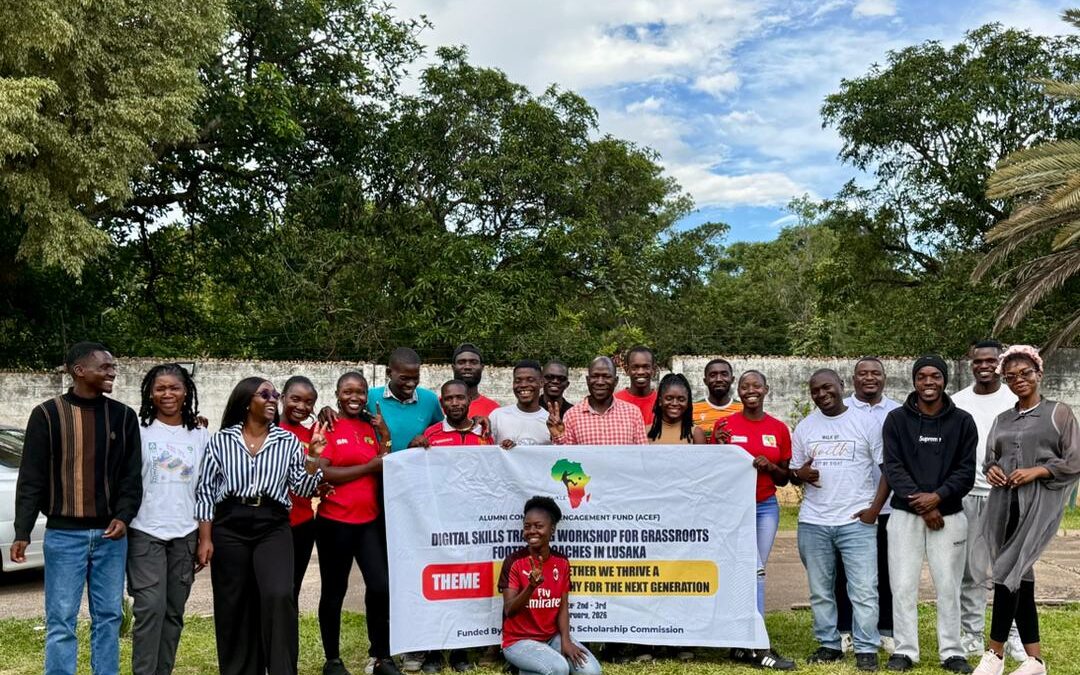
Zambia continues to face significant challenges in advancing Sexual and Reproductive Health and Rights (SRHR). Adolescents are particularly vulnerable due to high rates of teenage pregnancy, limited access to information, and persistent gender inequalities. Football offers a trusted platform to engage young people on these issues, with grassroots coaches playing a vital role in shaping behaviours and supporting community wellbeing. However, limited digital literacy among coaches constrains their ability to communicate, document impact, and expand SRHR outreach. It is critical to strengthen their digital skills to improve programme effectiveness and youth outcomes.
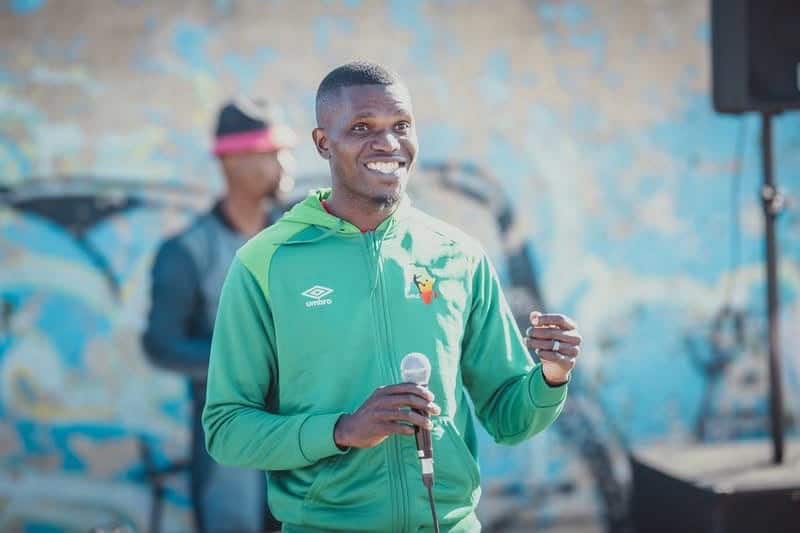
Chris Chikwanda
Between 2–3 February 2026, Commonwealth Alumnus Chris Chikwanda brought together grassroots football coaches in Lusaka, Zambia, for a two-day training on digital skills for SRHR advocacy.
Chris Chikwanda is a Programme Manager at Tackle, an organisation that uses football to promote SRHR.
Bridging the digital skills gap
The training brought together 25 coaches from Tackle Zambia and 6 from Youth Life Zambia. Coaches represented underserved communities across Lusaka District, including Kanyama, Ng’ombe, Kaunda Square, Kalikiliki, Bauleni, Chipata Compound, Mtendere, Mandevu, and Chaisa.
The training equipped coaches with practical skills to strengthen football-based SRHR delivery, improve documentation, and enhance youth engagement. It positioned coaches as digital change agents, promoting safe technology use and demonstrating how simple tools can expand programme reach and improve health outcomes.
Facilitated by Tackle staff, the training featured technical sessions led by Lameck Mwale, Digital Skills Trainer at BongoHive Technology. Chris was supported by co-organisers Womba Chikweti, Dennis Banda, and Edson Sialutaba from Tackle Zambia. Support from the Country Director of Youth Life Zambia and representatives from the local football association further reinforced strong institutional backing for the training.
Strengthening learning through practical training
The two-day workshop combined foundational learning with practical application, enabling participants to immediately use new digital skills.
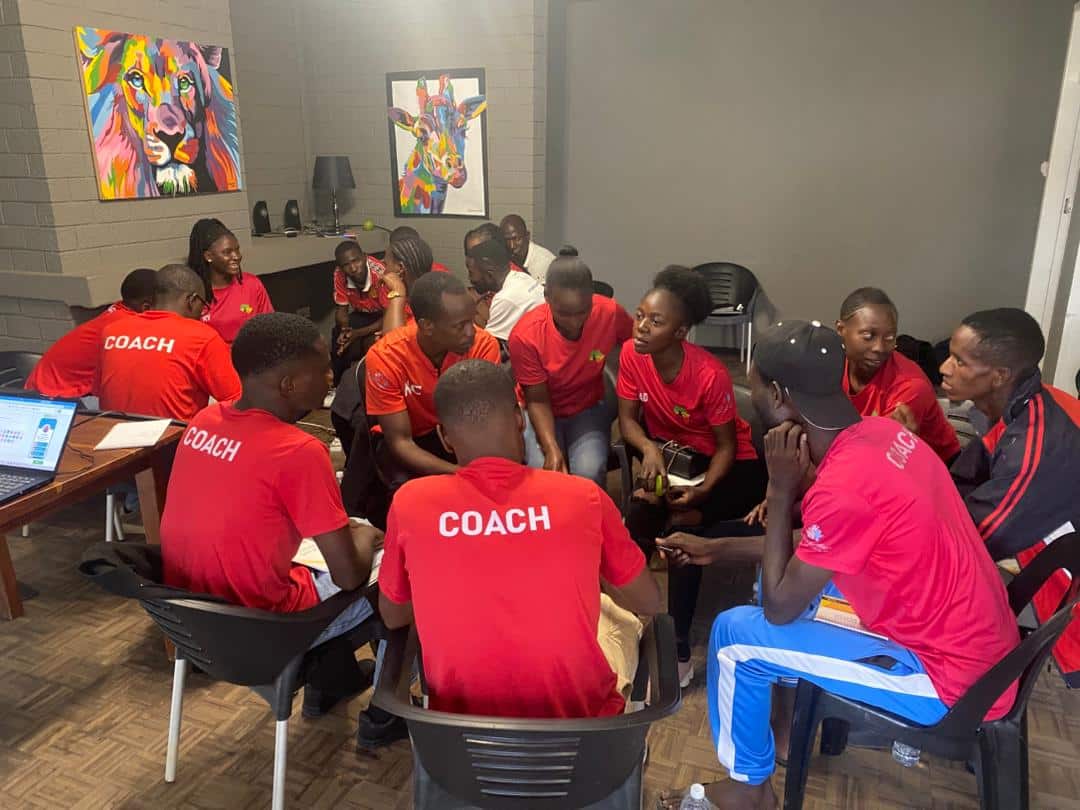
Chris Chikwanda opened the training with a session on digital inclusion in community development, followed by sessions led by Lameck Mwale covering digital literacy fundamentals, including internet navigation and email setup and management. Participants engaged in practical exercises, before exploring online safety, cybersecurity, and responsible communication. Participants were also introduced to Google Workspace tools which improved collaboration and reporting.
Day 2 focused on applying skills from the previous day to programme delivery. Participants explored the use of social media for SRHR messaging, with emphasis on ethical storytelling, audience engagement, and countering misinformation. They were also introduced to mobile data collection tools, including Google Forms and ODK/Kobo Collect, enabling them to design simple monitoring and reporting forms.
A key highlight was a session led by Olivia Tutu, Youth Engagement & Development Consultant, education activist, and global speaker. She shared practical insights on building authentic digital platforms, creating impactful content, and using social media responsibly.
The workshop concluded with group presentations, where participants developed and shared digital SRHR messages, demonstrating increased confidence and producing tangible advocacy content.
Amplifying impact through digital confidence and practical application
Chris assessed the workshop’s impact through pre- and post-training self-assessments, which showed a significant increase in overall digital competency. This progress was reflected in the strong quality of group presentations and participants’ ability to apply tools in practice.
“I now know how to use AI and create content that will attract more young people to attend my community sessions.”
– Workshop participant
Follow-up engagement with participants has demonstrated sustained impact of the training, with participants actively creating digital content, using social media for advocacy and engaging their communities on key issues.
Building on this momentum, participants are now positioned as digital champions, applying their skills to strengthen SRHR programmes and expand outreach. The programme will continue to support them through ongoing mentorship, refresher sessions, and regular follow-ups to sustain and scale impact.
Overall, the training demonstrated the transformative potential of equipping grassroots leaders with digital skills, enhancing youth engagement, strengthening community programming, and contributing to improved health outcomes.
Chris Chikwanda is a 2023 Commonwealth Professional Fellow from Zambia. He completed his Fellowship at TackleAfrica.