Women’s rights and gender equality in Grenada and the Caribbean region have progressed through advocacy, policy reform, and increased representation. However, persistent inequalities, entrenched social norms, and ongoing gender-based violence (GBV) remain significant challenges. While younger generations benefit from gains made, differing lived experiences highlight the need for continued dialogue and collaboration.
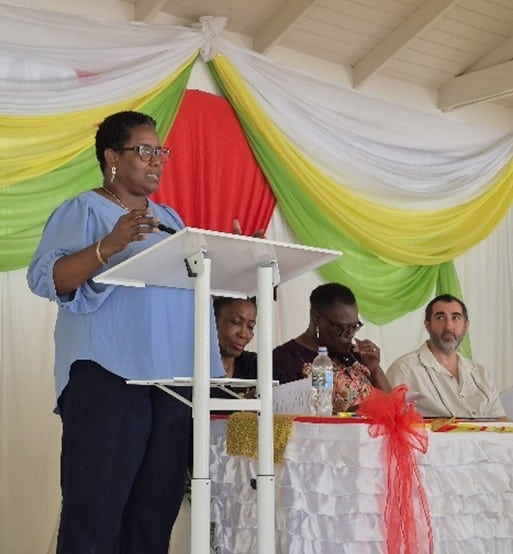
Elaine Henry-McQueen
On 21 February 2026, Commonwealth Alumnus Elaine Henry-McQueen convened an intergenerational dialogue in St. George’s, Grenada, co-hosted by Senator the Hon. Dr Dessima Williams, diplomat and founder of the Grenada Education and Development Programme (GRENED).
Elaine Henry-McQueen is a gender specialist and human rights advocate. She is a Principal Consultant at Citizen Participation and Empowerment Services, an organisation focused on civic engagement, youth development, gender equality, and economic inclusion.
Responding to a critical moment for gender equality in Grenada
Elaine’s intergenerational dialogue was delivered at a timely moment.
Earlier in February, two young women died as a result of GBV. In a country of approximately 110,000 people, these tragedies sparked widespread national concern and urgent calls for action.
At the same time, legislative reforms were advancing, with amendments to the Domestic Violence Act expanding protections, including recognition of cohabiting relationships and technology-facilitated abuse.
With the Bill progressing through Parliament and Government committing to a comprehensive national response to the deaths, the forum was both timely and significant. It provided a critical space to engage with these developments, confront the realities of GBV, and reflect on the norms and systems that perpetuate inequality and violence.
Creating space for reflection, dialogue, and shared learning
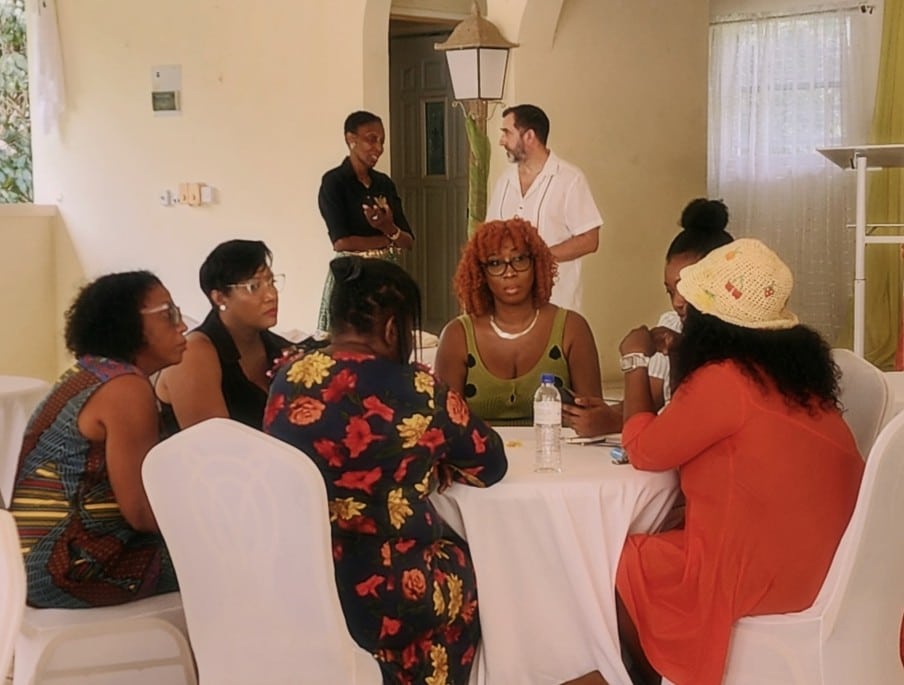
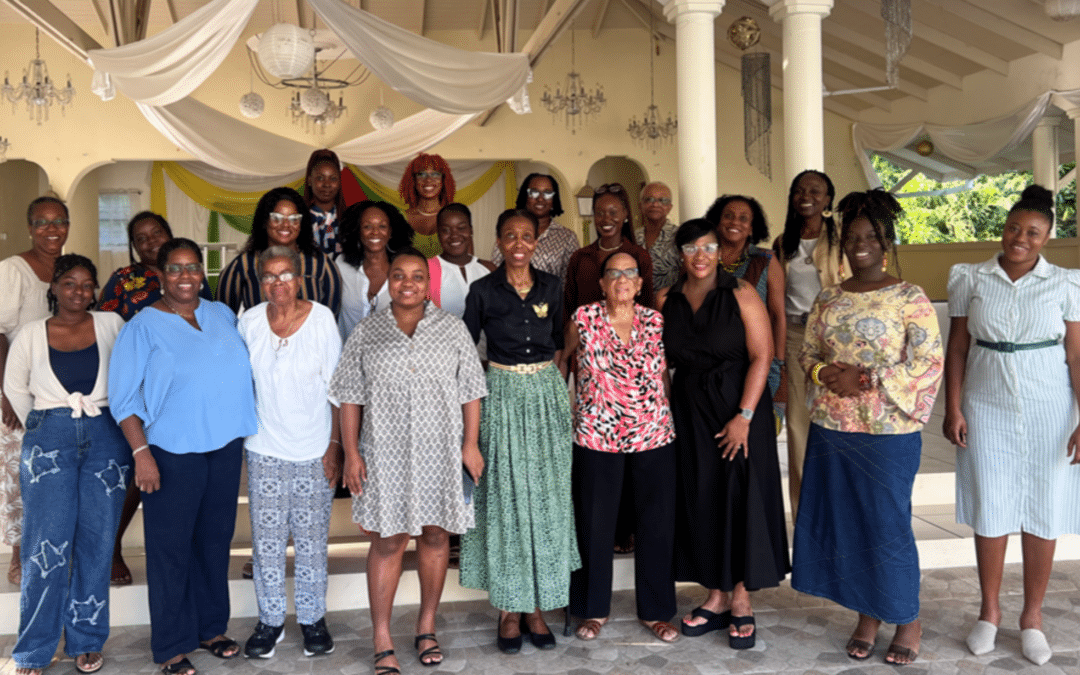
The one-day forum brought together 24 women from across Grenada, including young women advocates under 30 years of age and senior leaders over 80, to create a unique space to reflect on progress, share perspectives, and re-ignite the vision for equal rights.
Participants included individual advocates working as consultants, media professionals, and Youth Parliamentarians, alongside representatives from key organisations, such as Grenada Youth Against Gender-Based Violence, the Girl Guides Association of Grenada, Soroptimist International Grenada, the Grenada National Organisation of Women, the Grenada Network of Rural Women Producers, and the Programme for Adolescent Mothers.
The opening ceremony featured distinguished speakers who set the stage for reflection and action. Hon Dr Williams welcomed participants and provided a historical overview of women’s rights in Grenada, highlighting key milestones in the struggle for equality. H. E. Victor Clark, Resident British Commissioner to Grenada, acknowledged the resilience and contributions of Grenadian women, while Hon Gloria Thomas, Minister for Social Development and Gender Affairs, described the dialogue as a timely call to action. She urged participants to actively claim their empowerment and continue advancing the movement.
“The story of women’s rights is a story of courage. It is a story of women who refused to be silent, who demanded the right to vote, to learn, to work and to lead. It is the story of pioneers who challenged laws, traditions and expectations, often at great personal cost.” –
– Hon Gloria Thomas
Elaine highlighted current challenges and called for collective solutions, inviting participants to explore how women from different generations perceive women’s rights and gender equality, particularly in relation to GBV.
The forum fostered open, facilitated dialogue that enabled mutual learning and reflection on shared experiences and differing priorities. While participants recognised progress made in Grenada, especially in women’s leadership, they noted that this has not fully translated into meaningful inclusion in decision-making.
Discussions also underscored ongoing challenges driven by entrenched social norms, such as economic inequality, low-wage employment, and GBV. Overall, participants emphasised the need for a comprehensive, whole-of-society approach, combining stronger legislation, education, advocacy, and community engagement to advance gender equality.
Collective commitments and advocacy
The forum concluded with a shared commitment to action, captured in a jointly developed statement. It was recommended that the statement emerging from the dialogue be submitted to the Minister for Gender Affairs and copied to the Prime Minister, and that Government be invited to engage further with women’s groups on plans to end gender-based violence.
The statement reflected the below shared key priorities:
- Urgent and decisive action to strengthen enforcement and implementation of existing laws, policies, and plans addressing GBV.
- The establishment of a national Commission of Inquiry to examine emerging gaps and develop innovative, forward-looking solutions to reduce GBV, with broad public engagement across all segments of society.
- Renewed collaboration among women’s organisations and advocates to revitalise the women’s movement, strengthen partnerships, and expand outreach efforts.
Participants also emphasised the need for sustained public education and sensitisation on gender equality, particularly in schools and rural communities, alongside more effective use of social media to amplify messaging and engagement.
From reflection to action: next steps
Elaine assessed the forum’s impact through a survey. Feedback confirmed the forum had fostered open, inclusive dialogue, strong participation, and meaningful reflection on women’s empowerment and intergenerational exchange.
“The table talk discussions followed by the intergenerational dialogue opened the door for honest reflection and hopeful projections.”
– Forum participant
Participants demonstrated continued commitment through initiatives such as a national GBV awareness walk and the promotion of the Girl Guides’ “Voices against Violence” programme.
Elaine has organised a follow-up meeting to sustain engagement, with the dialogue underscoring the need for continued collaboration to strengthen networks within the women’s movement in Grenada and build momentum beyond a one-off event.
Elaine Henry-McQueen is a 2003 Commonwealth Professional Fellow from Grenada. She completed her Fellowship at the League for the Exchange of Commonwealth Teachers.